Mastering Collaborative Learning Strategies For Remote Student Groups
In recent years, the rise of remote learning has brought about a significant change in the traditional classroom setting. With the advent of technology, students are no longer confined to the four walls of a physical classroom, but can access education from the comfort of their own homes. While this has opened up a world of possibilities, it has also presented its own set of challenges. One of the biggest hurdles in remote learning is mastering collaborative learning strategies for remote student groups. In this article, we will delve into the importance of collaborative learning and discuss some effective strategies to help remote student groups work together seamlessly.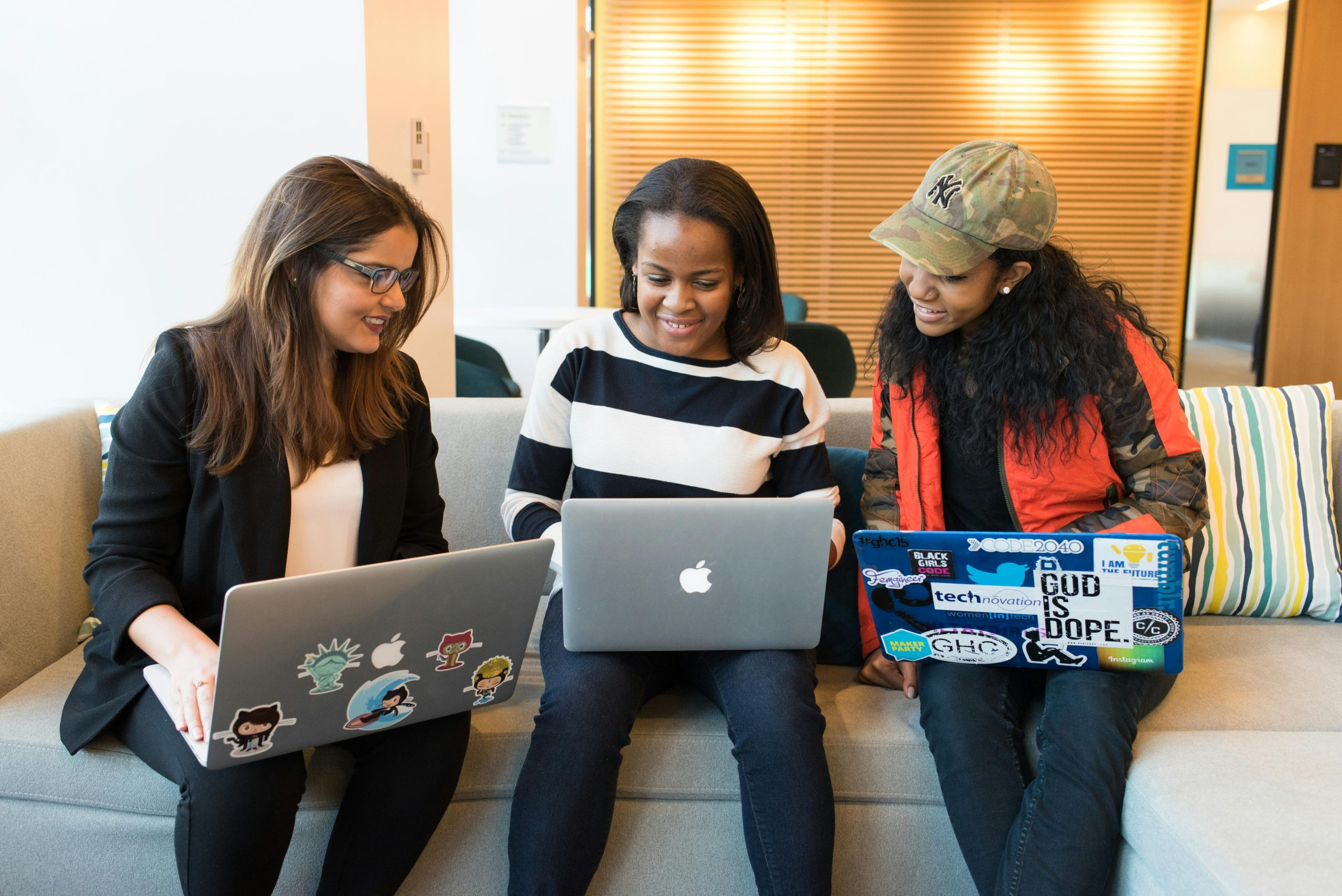
The Significance of Collaborative Learning in Remote Student Groups
Collaborative learning, as the name suggests, is an approach to learning where students work together in groups to achieve a common goal. It encourages open communication, critical thinking, and problem-solving skills, making it an essential part of the learning process. In traditional classroom settings, students are physically present and can easily communicate and collaborate with each other. However, in remote learning, students are geographically dispersed, making collaborative learning a bit more challenging to achieve.
The Advantages of Collaborative Learning in Remote Student Groups
Despite the challenges, collaborative learning has numerous benefits for remote student groups. One of the most significant advantages is the opportunity for peer learning. Students have the chance to learn from their peers and share their knowledge and skills with others. This not only helps students understand concepts better but also builds a sense of camaraderie and inclusivity within the group.
Collaborative learning also promotes active learning. Instead of being passive recipients of information, students actively engage with the material and participate in discussions and activities. As a result, they are more likely to retain the information and develop a deeper understanding of the subject matter.
Another advantage of collaborative learning in remote student groups is the development of important life skills such as teamwork, communication, and time management. In today’s fast-paced world, these skills are highly valued by employers, making collaborative learning an essential aspect of preparing students for the real world.
Effective Strategies for Mastering Collaborative Learning in Remote Student Groups
1. Establish Clear Group Expectations
Before diving into collaborative learning, it’s crucial to establish clear expectations and guidelines for the group. This includes outlining the group’s goals, individual responsibilities, communication methods, and consequences for not meeting expectations. Having a set of agreed-upon guidelines can help avoid any misunderstandings and promote a more efficient learning experience.
2. Use Digital Tools
Technology has made it easier than ever for students to collaborate, even if they are miles apart. Utilizing digital tools such as video conferencing, online whiteboards, and group messaging platforms can enhance the collaborative learning experience for remote student groups. These tools provide opportunities for students to interact with each other, share ideas, and work together in real-time.
3. Encourage Peer Teaching and Feedback
Peer teaching is a powerful tool in collaborative learning. Students can take turns teaching a lesson or explaining a concept to their peers, which reinforces their understanding of the material. Additionally, encouraging students to give and receive feedback from their peers can help them improve their own work and develop a sense of responsibility towards their group members.
4. Incorporate Group Projects and Activities
Group projects and activities are an integral part of collaborative learning. They provide an opportunity for students to apply their knowledge and skills in a real-world context. As a result, students are more engaged, motivated, and have a deeper understanding of the subject matter. Incorporating group projects and activities in remote learning can help foster a sense of community and teamwork within the group.
5. Be Flexible and Understanding
Remote learning comes with its own set of challenges, and it’s essential to be flexible and understanding of students’ different needs and circumstances. As an educator, it’s crucial to foster a safe and inclusive space for students to collaborate and be understanding of any technical issues or time differences that may arise.
Conclusion
In conclusion, mastering collaborative learning strategies for remote student groups is crucial in today’s remote learning landscape. It not only enhances the learning experience but also equips students with essential life skills that will benefit them in the future. By establishing clear expectations, utilizing digital tools, encouraging peer learning and feedback, and incorporating group projects and activities, educators can ensure that remote student groups are able to work together seamlessly and achieve their goals.