The Future Of Modular Construction In Affordable Housing Solutions
With the world population rapidly increasing and urbanization becoming a global trend, the demand for affordable housing solutions has never been higher. But traditional methods of construction are often time-consuming, expensive, and limited in terms of design flexibility. This is where modular construction comes in – a revolutionary approach to building that offers a cost-effective and efficient solution for affordable housing. In this article, we will explore the potential of modular construction in providing affordable housing solutions and how it is shaping the future of the construction industry.
The Rise of Modular Construction in Affordable Housing
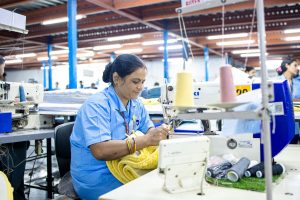
Modular construction, also known as prefabricated or off-site construction, involves the assembly of building components in a factory-controlled environment and then transporting them to the site for installation. This method of construction has been gaining popularity in recent years, particularly in the affordable housing sector, due to its numerous advantages.
Accessible and Affordable
The most significant benefit of modular construction is its cost-effectiveness. Since the majority of the building process takes place in a factory setting, there is a significant reduction in labor and material costs. The materials used in modular construction are also often more affordable and environmentally friendly, making it an ideal option for affordable housing projects.
Efficient and Time-Saving
In traditional construction, a single project can take months or even years to complete. On the other hand, modular construction significantly reduces construction time as the building components are manufactured simultaneously as the site is prepared. This not only speeds up the building process but also minimizes the impact on the surrounding community, making it a more attractive option for urban areas where space and time are limited.
Design Flexibility
While affordable housing has often been associated with generic, cookie-cutter designs, modular construction offers a wide range of design options. With the ability to tailor each module to specific project requirements, modular construction allows for greater design flexibility and customization, making it possible to create unique and modern affordable housing solutions.
The Future of Modular Construction in Affordable Housing
The future of modular construction in providing affordable housing solutions looks very promising. According to a report by the National Association of Home Builders, the use of modular construction in the U.S. is projected to grow by 6% annually over the next five years. Here are some of the ways in which modular construction is set to transform the affordable housing sector in the coming years.
Innovative Technologies
The rise of technology is revolutionizing the construction industry, and modular construction is no exception. With the use of Building Information Modeling (BIM) and advanced construction software, construction companies can now efficiently plan, design, and manufacture building components, resulting in better quality control, decreased waste, and improved efficiency. These technologies also allow for more precise and accurate design and construction, ensuring that the final product meets the highest standards.
Sustainable Solutions
Sustainability is becoming an increasingly important factor in the construction industry, and modular construction offers a more environmentally friendly option. With the ability to reuse and recycle building components, as well as the use of green building materials, modular construction is playing a vital role in reducing the carbon footprint of the construction industry. This sustainability factor not only benefits the environment but also contributes to the affordability of modular housing solutions.
Expansion into New Markets
As the world population continues to grow, so does the need for affordable housing. Modular construction offers a way to quickly and efficiently meet this demand, making it possible for construction companies to expand into new markets and cater to a wider range of customers. This will not only provide more housing options for low-income families but also create new job opportunities and stimulate economic growth in these areas.
Conclusion
The future of modular construction in affordable housing solutions is indeed very promising. With the ability to provide accessible and affordable housing, innovative technologies, sustainable solutions, and expansion into new markets, modular construction is rapidly changing the way we approach affordable housing. As we move towards urbanization and increasing demand for affordable housing, modular construction will undoubtedly play a crucial role in meeting these needs and shaping the future of the construction industry.