How To Create Inclusive Classrooms For Diverse Student Populations
Welcome to the world of education – where every student is unique and brings their own set of skills, experiences, and challenges to the classroom. As an educator, it is our responsibility to create an inclusive environment that caters to the diverse needs of our students. In today’s society, classrooms are becoming increasingly diverse with students from different cultural, social, economic, and academic backgrounds. This diversity brings a richness to the learning experience, but it also presents its own set of challenges. How do we ensure that all students feel welcome and supported in the classroom? In this article, we will explore strategies for creating inclusive classrooms for diverse student populations. Whether you are a new or experienced educator, these tips will help you create a learning environment where every student can thrive.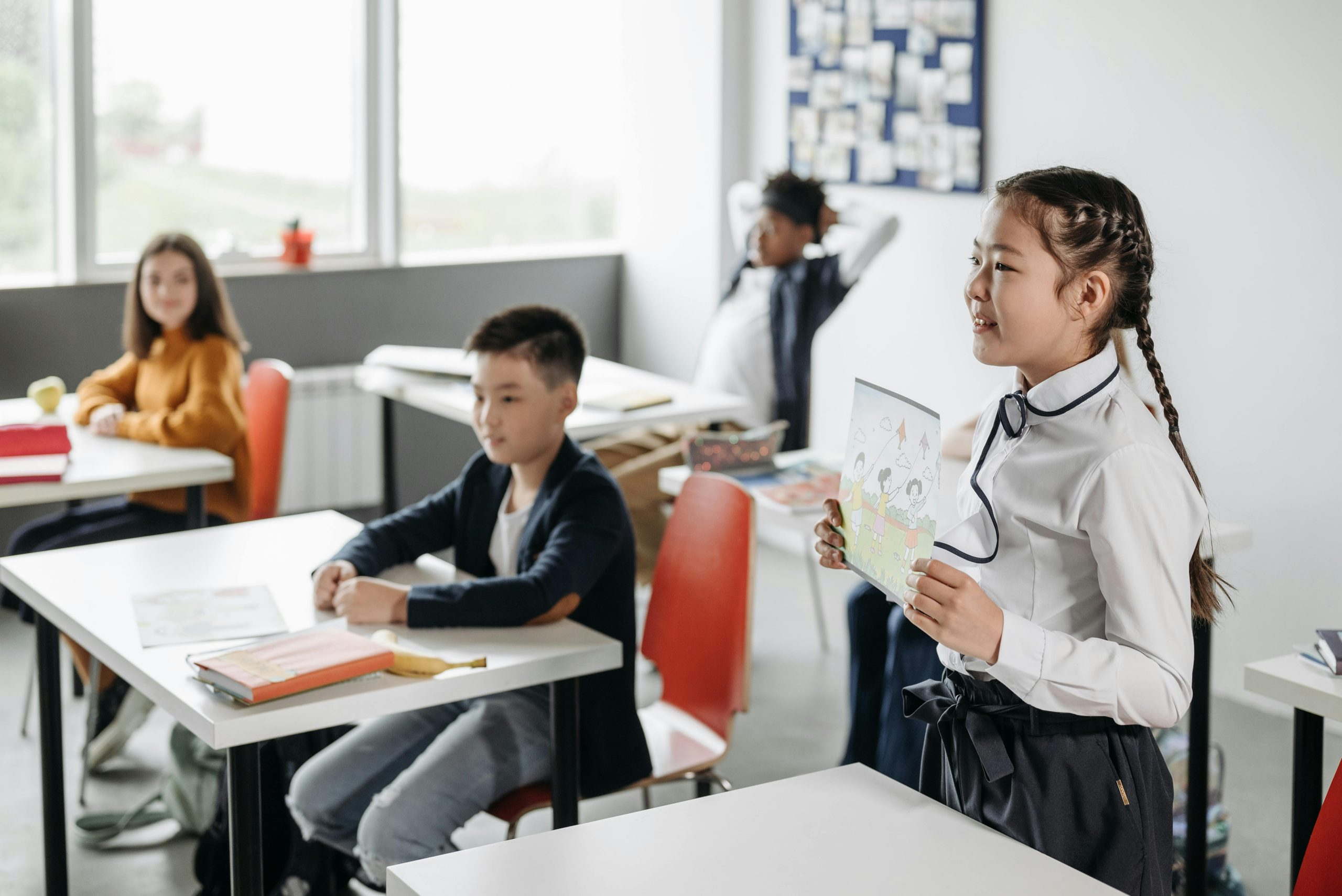
The Importance of Inclusivity
Before diving into strategies, it is crucial to understand the importance of inclusivity in the classroom. Inclusivity is not just about having diverse students in the same physical space, but it is also about creating a safe and supportive learning environment that caters to the individual needs of each student. When students feel included, they become more engaged in their learning, have better attendance, and are more likely to succeed academically. Inclusion also promotes empathy and understanding, essential skills in today’s diverse society. As educators, it is our responsibility to ensure that all students feel valued and included in the classroom.
Building a Foundation of Inclusivity
Educate Yourself
The first step in creating an inclusive classroom is to educate yourself on the different backgrounds, cultures, and experiences of your students. Take the time to learn about the diversity within your classroom and how it may impact your students’ learning. This will not only help you better understand your students but also avoid unintentional biases or stereotypes.
Establish Clear Classroom Expectations
Having clear and consistent expectations in the classroom sets a foundation for an inclusive environment. Establish rules that promote respect, empathy, and understanding. This will help students understand what is expected of them and how to interact with their peers in a diverse setting.
Create a Supportive Environment
A supportive classroom environment is key to creating inclusivity. This could mean having a designated space for students to share their thoughts and feelings, incorporating diverse literature and resources, and creating a positive and welcoming atmosphere. When students feel safe and supported, they are more likely to engage in their learning and feel included.
Strategies for Creating Inclusive Classrooms
Vary Instructional Strategies
One size does not fit all when it comes to teaching. Consider the diverse learning needs of your students and incorporate a variety of instructional strategies that cater to different learning styles. This could include visual aids, hands-on activities, group work, and more. By varying your teaching methods, you are ensuring that all students can access the material and succeed.
Encourage Student Collaboration
Collaboration allows students to learn from each other and promotes understanding and respect. Provide opportunities for students to work in groups where they can learn from their peers and see things from different perspectives. This not only promotes inclusivity in the classroom but also teaches valuable social skills that students can carry with them outside of the classroom.
Be Mindful of Language and Materials
The language we use in the classroom can have a significant impact on inclusivity. Be mindful of using gender-neutral language, avoiding stereotypes, and respecting cultural diversity. It is also essential to use materials that showcase diversity and representation. Incorporate diverse authors, characters, and experiences in your lesson plans to create an inclusive learning environment.
Provide Individualized Support
Every student learns differently, and some may require additional support or accommodations. Take the time to understand the needs of each student and provide individualized support as needed. This could include extra time on assignments, alternative testing methods, or providing visual aids. By catering to each student’s individual needs, you are promoting inclusivity in the classroom.
Conclusion
Creating inclusive classrooms for diverse student populations is an ongoing process that requires dedication and effort. By educating ourselves, establishing a foundation of inclusivity, and implementing strategies that cater to diverse needs, we can create a safe and supportive learning environment for all students. Let’s embrace the uniqueness of each student and celebrate diversity in our classrooms.