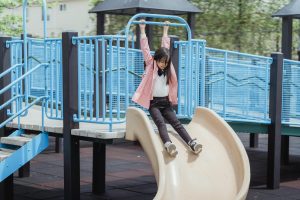
Why Outdoor Education Boosts Physical And Mental Student Health
The importance of physical and mental health among students cannot be overstated. In today’s fast-paced, technology-driven world, students are increasingly spending more time indoors and neglecting the benefits of the great outdoors. However, studies have shown that incorporating outdoor education into the curriculum can have a significant positive impact on both physical and mental well-being. In this article, we will explore why outdoor education is crucial for students’ overall health and how it can be integrated into their daily routines.
The Benefits of Being Outdoors
Physical Health
One of the most obvious benefits of outdoor education is its effect on physical health. With the rise in screen time and sedentary lifestyles, students are becoming more prone to health issues such as obesity and other chronic diseases. Outdoor education provides students with opportunities to engage in physical activities such as hiking, team sports, and nature walks, promoting a more active lifestyle.
Furthermore, being outdoors exposes students to sunlight, which is crucial for their bodies’ production of vitamin D. Vitamin D helps maintain healthy bones, teeth, and muscles, and also plays a vital role in boosting the immune system.
Mental Health
In addition to physical health, outdoor education also has a positive impact on students’ mental health. Studies have shown that spending time outdoors can reduce stress, anxiety, and depression. Being surrounded by nature helps students disconnect from the constant stimulation of technology and allows them to reconnect with themselves and their surroundings.
Moreover, outdoor education can also boost creativity and problem-solving skills. Being outdoors provides students with new and unfamiliar experiences, leading to a more diverse and open-minded way of thinking. This can also help improve memory and cognitive function.
Why Outdoor Education Boosts Student Health
Now that we’ve established some of the benefits of outdoor education, let’s delve into why it specifically boosts student health.
Exposure to Nature
Nature has a calming and restorative effect on our mental and physical well-being. By incorporating outdoor education, students are given the opportunity to immerse themselves in nature and reap its benefits. This can include activities such as gardening, farm visits, or simply spending time in a park or forest. Exposure to nature can help reduce stress levels, improve mood, and increase attention span.
Active Learning
Traditional classroom-based learning can feel restrictive and monotonous for some students. Outdoor education provides a more hands-on and active approach to learning, making it more engaging and enjoyable. This type of learning can also help students retain information better and increase their motivation to learn.
Social Connection
Being outdoors promotes social interaction and teamwork among students. Outdoor activities often require collaboration and communication, which can improve social skills and build stronger relationships. This can also lead to a sense of belonging and a boost in self-esteem, both of which contribute to overall mental well-being.
Integrating Outdoor Education into Daily Routines
The benefits of outdoor education are clear, but how can it be incorporated into daily routines? Here are a few suggestions:
Outdoor Classroom
Teachers can take advantage of outdoor spaces to conduct lessons. This can range from reading under a tree to science experiments in a garden. This not only provides students with a change of scenery but also allows them to learn in a more engaging and interactive way.
Field Trips
Field trips are a common way to incorporate outdoor education into the curriculum. They provide students with the opportunity to explore new places and participate in activities that may not be feasible within the school grounds. Field trips can also be tailored to align with specific subjects, making the learning experience more meaningful.
Outdoor Clubs and Programs
Schools can offer outdoor clubs and programs to encourage students to spend more time outdoors. This can include activities such as hiking, camping, or environmental conservation projects. These clubs and programs can also serve as a platform for students to develop new skills and interests outside of the classroom.
In Conclusion
Incorporating outdoor education into the curriculum is essential for students’ overall health and well-being. By spending more time outdoors, students can reap numerous benefits, including improved physical and mental health, enhanced learning, and social connection. It is up to schools and educators to prioritize the inclusion of outdoor education in their daily routines to ensure that students are equipped with the necessary tools for a healthy and successful future.