Mastering The Delicate Art Of French Pastry Techniques
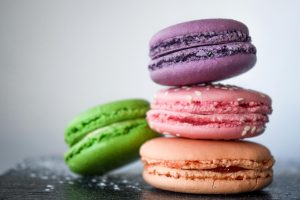
Welcome to the world of French pastries, where flaky croissants, rich tarts, and delicate macarons reign supreme. A true master of French pastry techniques holds the key to creating these delectable treats, with the ability to transform humble ingredients into works of culinary art. However, mastering the delicate art of French pastry techniques is no easy feat. It requires a combination of technical skill, precision, and creativity. In this article, we will dive into the world of French pastry and uncover the secrets to mastering this delicate art.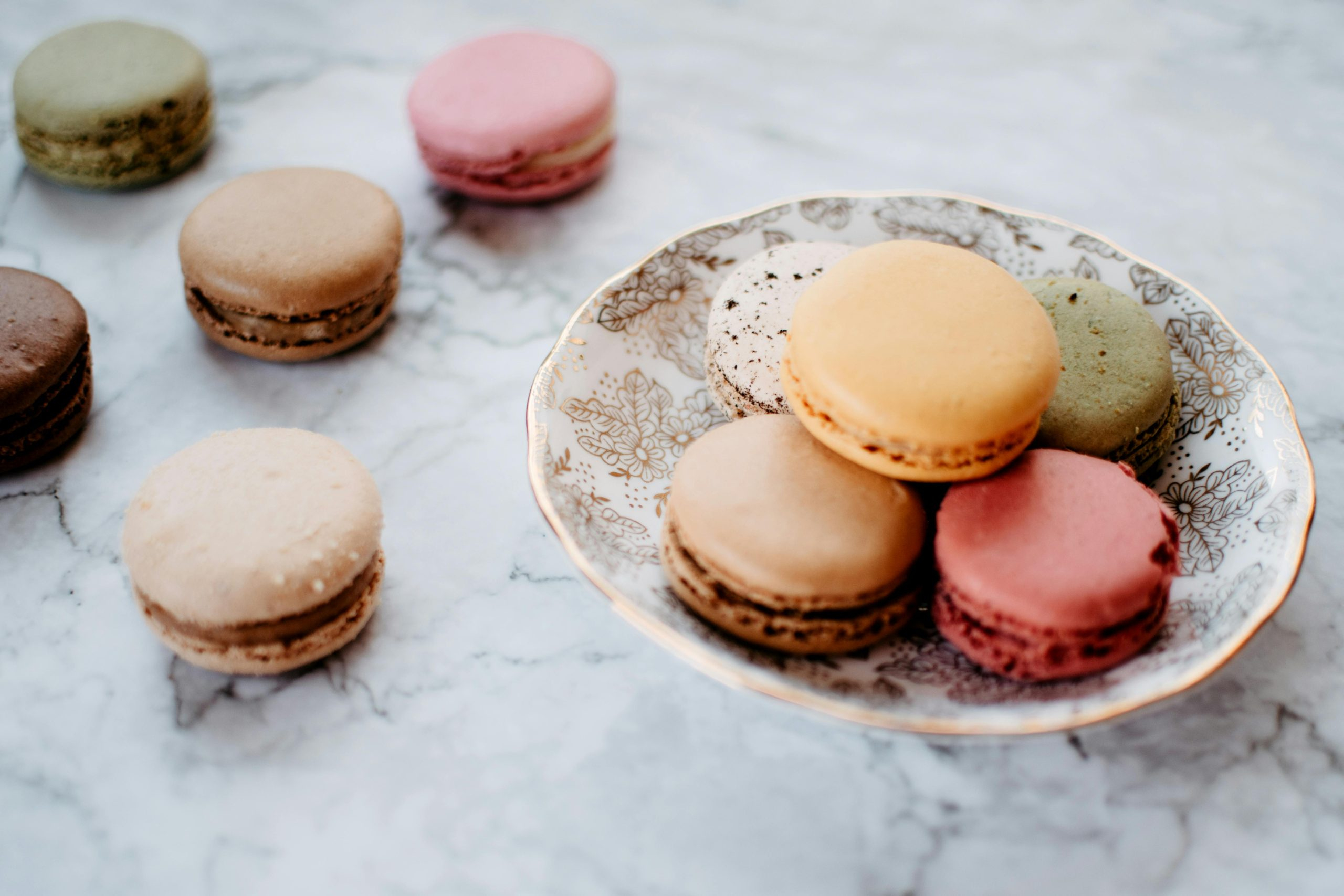
The Foundations of French Pastry
Understanding the Importance of Technique
Unlike other types of baking, French pastry is all about technique. It’s not just following a recipe, but it’s about understanding the science and art behind each step. From properly kneading dough to precisely measuring ingredients, every detail is crucial in achieving the perfect pastry. This is why it’s essential to familiarize yourself with the techniques and practice them until they become second nature.
The Role of Temperature
Temperature plays a vital role in French pastry. It affects the texture and quality of the final product. Knowing how to handle temperature is a skill that separates amateur bakers from the masters. For example, butter needs to be at a cool room temperature for making croissants, while pastry cream needs to be chilled to create a stable filling for cream puffs. Understanding the impact of temperature on different ingredients is essential in achieving the perfect pastry.
The Importance of Quality Ingredients
French pastries are all about simplicity, using only a few, high-quality ingredients. A master pastry chef knows that the key to excellent tasting pastries is to use the best ingredients. From using European-style butter to high-quality chocolate, each ingredient is selected with a specific purpose in mind. This means using the best ingredients you can find, which can make a significant difference in the final product.
The Techniques of French Pastry
Making Pâte à Choux
Pâte à choux is a versatile dough used in many classic French pastries, such as cream puffs and éclairs. To make this dough, a mixture of butter, water, flour, and eggs is cooked over a stovetop until it forms a smooth, elastic paste. The trick to achieving the perfect pâte à choux is to cook it just long enough so that it develops enough gluten to hold its shape but not too long that it becomes tough and rubbery. This takes practice, but once you perfect this technique, you’ll be able to create endless variations of delicious pastries.
Laminating Dough
Laminated dough is another key technique in French pastry, used to make flaky, buttery croissants and pastries. It involves folding layers of dough and butter together, creating hundreds of flaky layers. A master pastry chef knows how to handle the dough with care, creating layers that are both thin and evenly distributed. This technique takes time and patience, but the result is well worth it when you bite into a perfectly crisp and buttery croissant.
Piping with a Pastry Bag
Piping is a skill that sets apart master pastry chefs from novices. Not only is it used for decorative purposes, but it’s also essential in filling pastries, such as cream puffs and éclairs. A steady hand, good control, and the right pressure are key to achieving perfect piping. Practice with different piping tips and adjust the pressure to see the different effects it creates until you feel confident in your technique.
Continued Learning and Experimentation
Mastering the Basics
Before experimenting with new flavors and techniques, it’s essential to have a solid understanding of the basics. This means becoming proficient in techniques like making pastry cream and choux pastry. Once you’ve mastered the fundamentals, you’ll have a strong foundation to build upon, allowing your creativity to shine through in your pastry creations.
Attending Workshops and Classes
Becoming a master of French pastry techniques takes more than just reading about it. Attending workshops and classes led by experienced pastry chefs is an excellent way to learn hands-on. You’ll be able to ask questions, see techniques in action, and get feedback on your own work. These types of experiences can take your skills to the next level and push you out of your comfort zone.
Experimenting and Adding Your Own Twist
Once you’ve mastered the basics, don’t be afraid to add your own twist to classic recipes. French pastry is all about creativity and taking traditional techniques and making them your own. Experiment with different flavors, textures, and presentation to create unique and delicious pastries that are a reflection of your creativity.
Mastering the delicate art of French pastry techniques is a journey that takes practice, patience, and dedication. By understanding the foundations of French pastry, practicing techniques, and continuously learning and experimenting, you can elevate your skills to truly become a master. So put on your apron, gather your ingredients, and get ready to dive into the world of French pastry. Bon appétit!