
The Importance Of Resting Meat After The Cooking Process

Picture this: you’ve been slaving over the stove for hours, carefully preparing the perfect meal. You finally take your masterpiece out of the oven, and it looks and smells absolutely delicious. But before you dig in, there’s one crucial step you may be overlooking – resting the meat. You might be thinking, is it really necessary? Well, as it turns out, yes it is. Resting meat after the cooking process is an essential step that is often overlooked, but it can make all the difference in the taste and texture of your dish. Let’s dive into why resting meat is so important.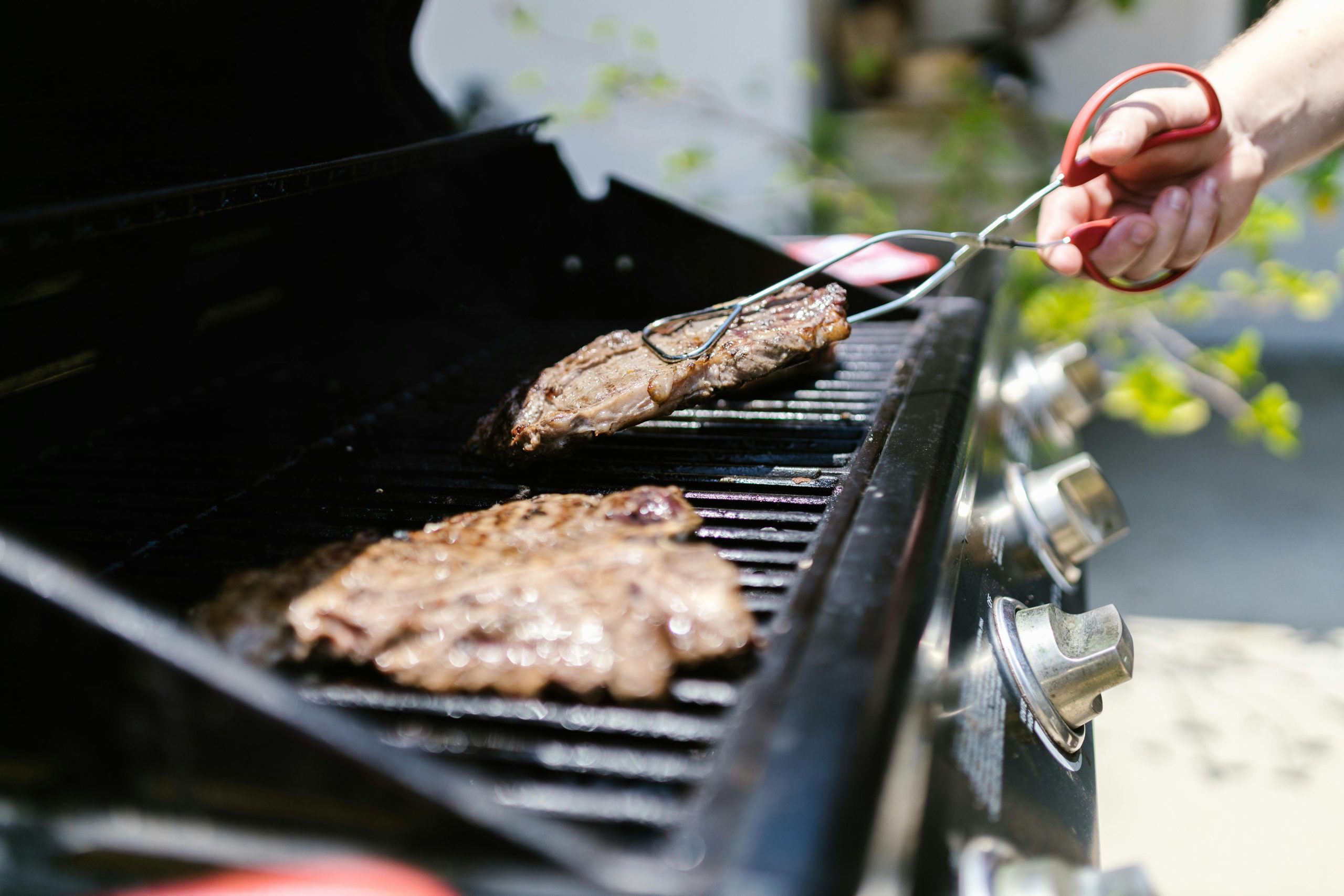
The Science Behind Resting Meat
To understand the importance of resting meat, it’s important to understand the science behind it. When meat is cooked, the proteins in the muscle fibers tighten up and expel moisture. This results in the juices being pushed towards the surface of the meat, leaving it dry and tough. However, when the meat is allowed to rest, the proteins relax and reabsorb the moisture, leaving the meat juicy and tender. Additionally, resting meat allows the internal temperature to even out, resulting in a more evenly cooked piece of meat.
The Role of Resting Meat in Flavor
Aside from the scientific reasons, resting meat also plays a significant role in enhancing the flavor of your dish. When meat is cooked, the heat causes the proteins to tighten up and squeeze out the flavorful juices. Resting the meat allows these juices to redistribute evenly throughout the meat, resulting in a juicier and more flavorful dish. This is especially important for larger cuts of meat, such as roasts, that have more surface area for the juices to escape from.
How to Properly Rest Meat
Now that we understand the importance of resting meat, it’s essential to know how to do it properly. The general rule of thumb is to let the meat rest for about 10-15 minutes per pound. For example, if you cooked a large roast that weighed 5 pounds, it should rest for about 50-75 minutes. During this resting period, it’s crucial to keep the meat warm, so it’s recommended to loosely cover it with foil or a towel.
The Importance of Temperature
In order to achieve the best results, it’s essential to keep track of the internal temperature of the meat. The recommended temperature for most meats is 145°F for medium rare, 160°F for medium, and 170°F for well done. However, it’s important to note that the internal temperature of the meat will continue to rise a few degrees while resting. Therefore, it’s best to remove the meat from the heat source a few degrees before it reaches the desired temperature.
Final Thoughts
In conclusion, resting meat after the cooking process is a crucial step that should not be overlooked. Not only does it allow the meat to reabsorb moisture, resulting in a juicier and more flavorful dish, but it also allows for a more even cook. So, the next time you’re cooking up a storm in the kitchen, don’t forget to give your meat the time it needs to rest. Your taste buds – and your guests – will thank you.