
Exploring The History Of Education Systems Around The World
The history of education systems around the world is a vast and complex one. It involves the evolution and development of educational practices, theories, and systems in different societies over time. From ancient civilizations to modern times, education has played a crucial role in shaping the minds and lives of individuals and societies. In this article, we will explore the fascinating history of education systems around the world, from their origins to their current state.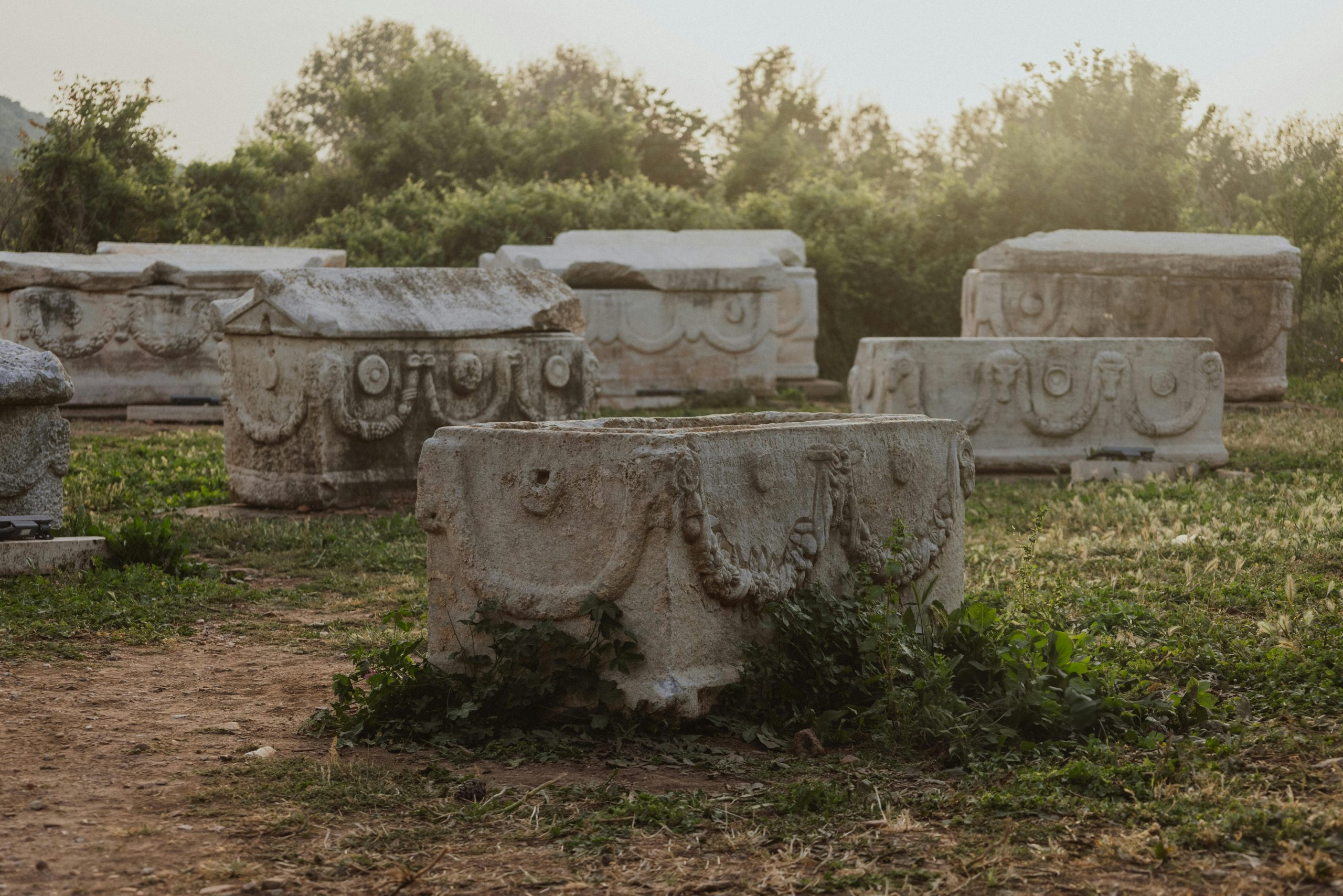
The Origins of Education Systems
The origins of education systems can be traced back to ancient civilizations such as Egypt, China, Mesopotamia, and Greece. These early cultures established methods of teaching and learning, such as hieroglyphics, oral traditions, and apprenticeships. Education in these societies focused mainly on developing skills and knowledge for practical purposes, such as agriculture, trade, and government.
The Influence of Religion and Philosophy
Religion and philosophy played a significant role in shaping education systems in many civilizations. In ancient Egypt, education was closely tied to religious practices, and only the elite had access to formal education. In ancient Greece, philosophers like Socrates, Plato, and Aristotle emphasized the importance of education in shaping moral and intellectual development.
The Rise of Formal Education
As societies became more complex, formal education systems began to emerge. In the Middle Ages, the rise of universities in Europe marked a significant shift towards an organized and structured approach to education. These institutions focused on subjects such as theology, medicine, and law, and education was reserved for the elite.
The Impact of the Printing Press
The invention of the printing press in the 15th century revolutionized the spread of knowledge and ideas. It allowed for mass production of books, making education more accessible to a broader population. This development sparked the Renaissance, which led to a renewed interest in classical learning and the arts.
Education in the Industrial Age
The Industrial Revolution in the 19th century brought about significant changes in education systems. As urbanization and industrialization spread, governments recognized the need for a more educated workforce. The development of public education systems aimed to provide basic skills to the masses, such as reading, writing, and math.
The Evolution of Modern Education Systems
By the 20th century, education systems around the world underwent significant changes. The rapid advancements in technology and the rise of globalization have had a profound impact on education, making it more accessible and diverse. The focus shifted from traditional academic subjects to practical skills, such as critical thinking, problem-solving, and digital literacy.
The Current State of Education Systems
Today, education systems continue to evolve, with a growing emphasis on inclusivity, diversity, and equity. Many countries have implemented education reforms to address the changing needs of their societies. Technology has also transformed the way we learn, with the widespread use of digital tools and online platforms.
The Future of Education
The future is bright and challenging for education systems. With the world becoming increasingly interconnected, the need for a global perspective in education is more crucial than ever. Advancements in technology, such as artificial intelligence and virtual reality, will likely play a significant role in shaping the future of education.
In conclusion, the history of education systems around the world reflects the evolution of human society and its quest for knowledge and understanding. From its origins in ancient civilizations to the modern age, education continues to play a vital role in shaping individuals and societies. As we look towards the future, it is essential to remember and appreciate the rich and diverse history of education systems that have brought us to where we are today.