The Future Of Virtual Reality Field Trips In Education
With the ever-evolving technology landscape, virtual reality (VR) has become more than just a buzzword. It has made its way into multiple industries, with education being one of the most prominent ones. Virtual reality field trips are now becoming a popular method for schools to enhance their curriculum and provide students with an immersive learning experience. As the use of VR continues to grow, it begs the question – what does the future hold for virtual reality field trips in education? Let’s explore the possibilities and potential impact of VR field trips in the education industry.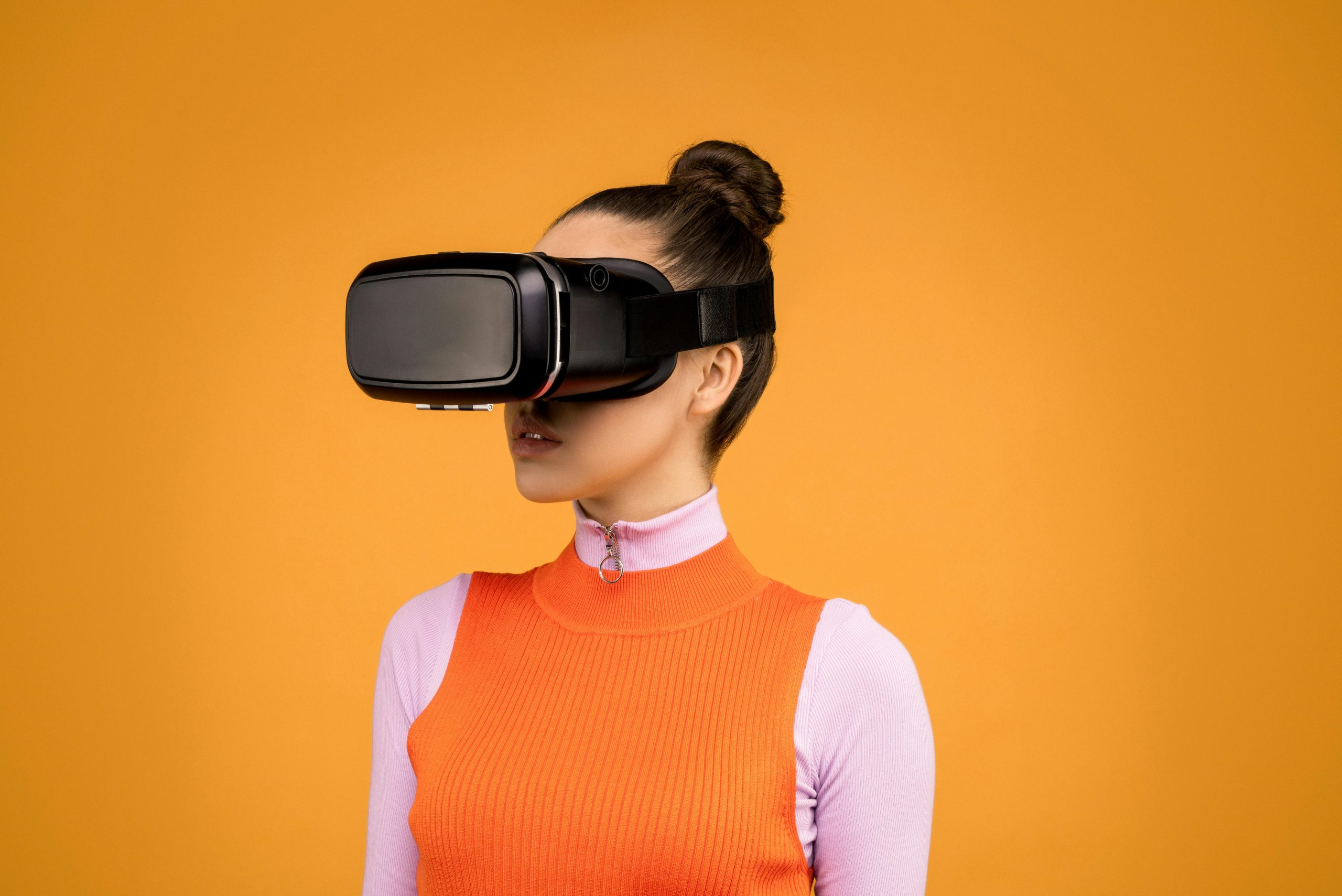
The Rise of Virtual Reality Field Trips
The traditional method of taking students on field trips requires a lot of logistical planning and can be quite costly. Not to mention, students are limited to visiting only the destinations that are within driving distance of their school. This can limit the experiences and learning opportunities for students. This is where virtual reality field trips come in. They offer a more affordable and convenient option for schools to provide their students with a wider range of virtual field trip experiences.
These VR field trips allow students to explore virtually any location in the world, from the depths of the ocean to outer space. With the use of VR headsets, students can be fully immersed in these environments and interact with them. This interactive element adds a level of engagement and excitement to learning, making information more memorable for students.
The Impact on Education
Virtual reality field trips have the potential to transform the way students learn. Traditional classroom teaching methods may not always be engaging enough for students to retain information effectively. With VR field trips, students can learn through experience, making it more immersive and impactful.
For example, students studying history can virtually visit historical sites or ancient civilizations to see the place and time period for themselves. In science class, students can take a trip to the International Space Station to experience first-hand what it’s like to be in zero gravity. These experiences are not only fun but can provide students with a deeper understanding of the subject matter.
The Future of Virtual Reality Field Trips
As technology continues to advance, so will virtual reality field trips. The future of VR field trips in education holds unlimited possibilities. With advancements in haptic technology, students may even be able to touch and feel objects in virtual environments, providing a more realistic experience.
In addition, VR field trips can also bridge the gap between students from different backgrounds. With virtual reality, students can experience places and cultures that may not be accessible or practical in real life. This can promote diversity and open up students’ perspectives on different cultures and societies.
Challenges to Consider
While virtual reality field trips have endless potential, there are some challenges that need to be addressed. One of the main concerns is the cost of implementing VR technology in schools. While it may be more affordable than traditional field trips, it still requires an investment in equipment and software. It is also important to ensure that VR field trips are inclusive and accessible to all students, regardless of disabilities or special needs.
Another challenge is the need for proper training for teachers. VR field trips may require a different approach to teaching, and it is crucial for teachers to understand how to utilize this technology effectively in their lessons.
Conclusion
The future of virtual reality field trips in education looks bright. With its immersive and interactive potential, VR field trips can enhance the learning experience and provide students with a wider range of educational opportunities. As technology continues to advance, we can expect to see more advanced and affordable options for implementing VR in education. While there are some challenges to consider, with proper planning and implementation, virtual reality field trips have the potential to transform the education industry for the better.