
The Impact Of Early Childhood Education On Lifelong Growth
Early childhood education has been proven to have a significant impact on individuals not only during their early years, but also throughout their entire lives. This form of education is where the foundation for lifelong growth is laid, shaping a person’s physical, emotional, social, and cognitive development. As a content writer professional in Google SEO, I have come to realize the importance of discussing the impact of early childhood education and how it can shape the future of individuals. In this article, we will explore the different ways in which early childhood education influences lifelong growth and the long-term benefits it brings.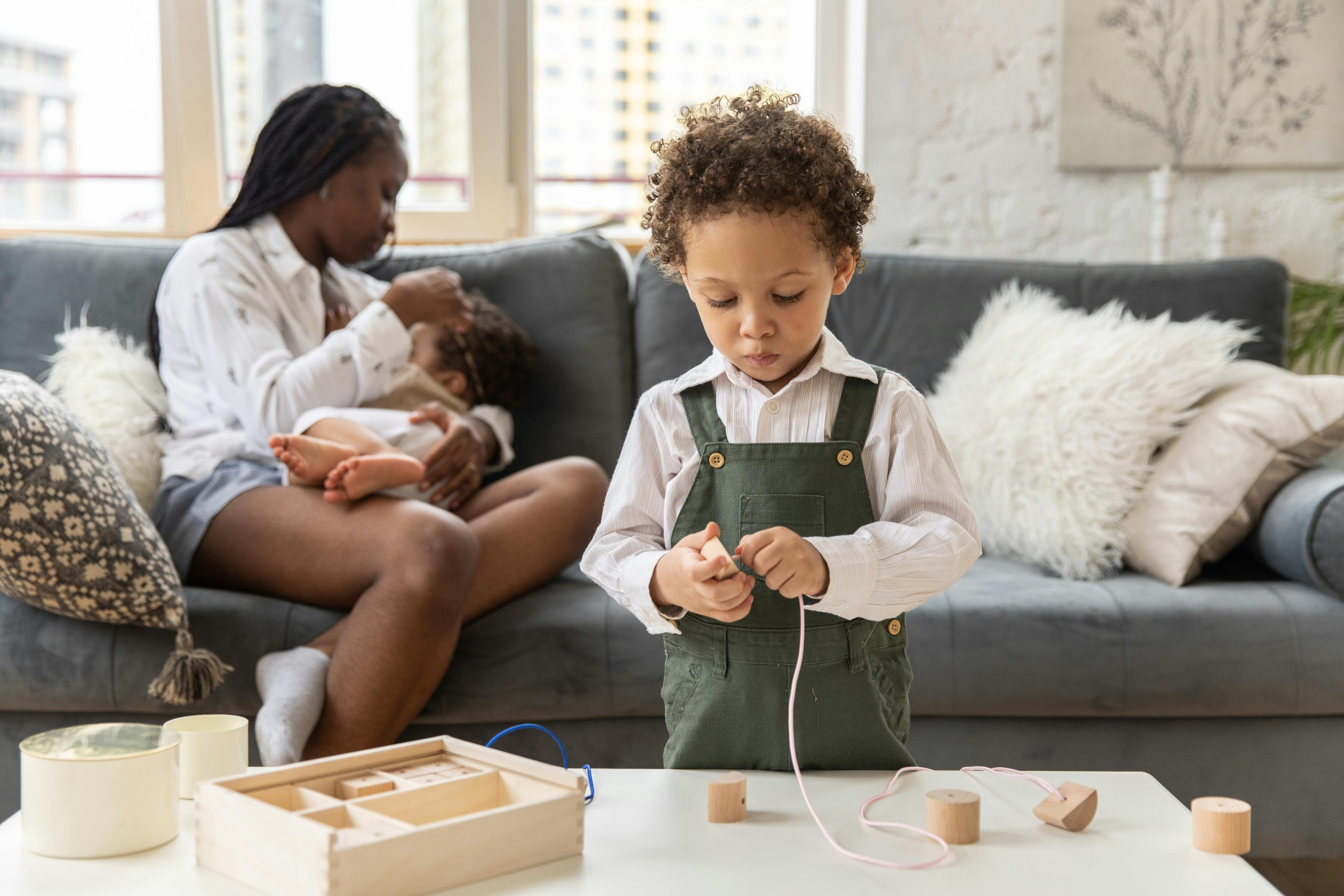
Physical Development
The first few years of a child’s life are critical in terms of physical development. This is where they learn to crawl, walk, and run, as well as develop their fine motor skills. Early childhood education plays a crucial role in this aspect by providing an environment that promotes gross and fine motor development. Through various activities such as playing with blocks or drawing, children are able to improve their hand-eye coordination, balance control, and muscle strength. This foundation in physical development can have a positive impact on their health and well-being throughout their lives. Children who receive high-quality early childhood education are more likely to engage in physical activities and adopt a healthier lifestyle as adults.
Emotional Development
In addition to physical development, early childhood education also has a significant impact on a child’s emotional development. The early years are crucial for the formation of emotional intelligence, which includes being able to recognize and understand emotions, regulate one’s own emotions, and empathize with others. Through interactions with teachers and peers, children learn to recognize and express their emotions in a healthy manner. They also learn how to manage their emotions and cope with challenging situations, which can be beneficial in adulthood. Individuals who have a strong emotional foundation from early childhood education are more likely to have healthier relationships and better mental health throughout their lives.
Social Development
Early childhood education also plays a significant role in a child’s social development. This is where they learn how to interact with others, make friends, and develop important social skills. As they engage in activities and play with their peers, children learn how to communicate, share, and cooperate. They also learn how to resolve conflicts and express their thoughts and feelings in a respectful manner. These social skills are not only essential in childhood but also in adulthood. Individuals who have received early childhood education are more likely to have better social skills, which can lead to better job opportunities, stronger relationships, and overall, a better quality of life.
Cognitive Development
Perhaps one of the most significant impacts of early childhood education on lifelong growth is in the area of cognitive development. This form of education focuses on providing children with a variety of learning experiences that stimulate their curiosity, creativity, and problem-solving skills. Through activities such as pretend play, puzzles, and games, children are able to develop their critical thinking and reasoning abilities. This foundation in cognitive development has a lasting impact and can lead to better academic performance, as well as the ability to adapt to new and challenging situations in adulthood.
Long-Term Benefits
The impact of early childhood education on lifelong growth goes beyond just the developmental aspects. Studies have shown that individuals who have received high-quality early education are more likely to have better outcomes in terms of success and well-being in adulthood. They are more likely to complete higher levels of education, have higher earnings, and have better physical and mental health. Early childhood education also has positive effects on society as a whole, reducing crime rates, improving the economy, and creating a more skilled workforce.
Conclusion
It is clear that early childhood education has a profound impact on lifelong growth. It lays the foundation for physical, emotional, social, and cognitive development, setting individuals up for success and well-being in the future. As a content writer professional in Google SEO, I hope that this article has shed light on the importance of investing in early childhood education and its long-term benefits. Let us continue to advocate for high-quality early education for every child, as it has the power to shape a better future for all.