
The Role Of Play In Early Childhood Cognitive Development
The early years of a child’s life are critical for their cognitive development. As they begin to explore the world around them, children engage in various types of play that can have a significant impact on their growth and learning. Play is not just a means of entertainment for children; it is a crucial tool for their cognitive development. In this article, we will explore the role of play in early childhood cognitive development and how parents and caregivers can encourage and support this process.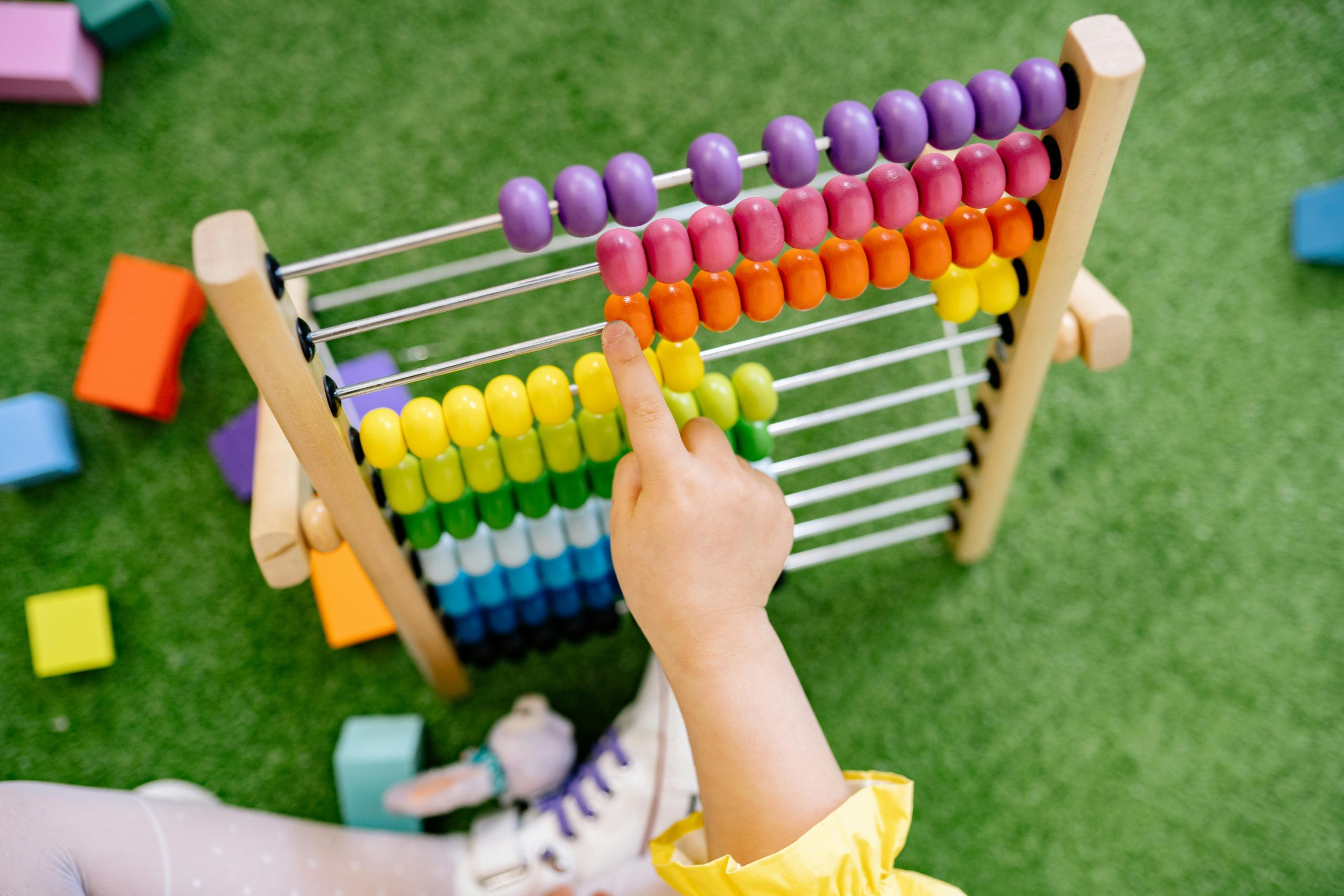
The Importance of Play in Early Childhood
Play is a natural and essential part of a child’s life. It is how they learn about the world, make sense of their experiences, and develop their cognitive, social, emotional, and physical skills. Through play, children explore, problem-solve, and use their imagination, all of which are crucial for their cognitive development. Play allows children to make connections between abstract concepts and real-life situations, which helps them understand and remember information better. During play, children also learn to regulate their behavior and emotions, making them better equipped to handle challenges and stress in later life.
The Different Types of Play
1. Pretend Play
Pretend play, also known as imaginative play, is when children use their imagination to create scenarios and act them out. It can involve role-playing, playing with dolls or action figures, and creating imaginary worlds. Pretend play is an essential part of cognitive development as it allows children to practice problem-solving, language, and social skills. It also encourages abstract thinking and creativity.
2. Constructive Play
Constructive play involves building and creating with materials such as blocks, Legos, or clay. This type of play helps children develop their fine motor skills, hand-eye coordination, and spatial awareness. It also encourages problem-solving and critical thinking as children figure out how to build a specific structure or solve an engineering challenge.
3. Physical Play
Physical play involves any activity that gets children moving, such as running, jumping, climbing, and dancing. Physical play is crucial for the development of gross motor skills, coordination, balance, and strength. It also promotes overall physical health and well-being. Additionally, physical play can help children release excess energy and emotions, making them more focused and attentive in other activities.
How Play Influences Cognitive Development
Studies have shown that children who engage in regular play have better cognitive skills, including problem-solving, memory, and language development. Play helps strengthen the neural connections in the brain and promotes the development of new ones. It also enhances children’s ability to think, reason, and remember, which are essential skills for learning and academic success.
During play, children learn to take on different roles and perspectives, which helps them develop empathy and social awareness. They also learn to communicate and cooperate with others, developing their social skills and emotional intelligence. Play also encourages risk-taking and experimentation, which are crucial for creativity and innovation.
Ways to Support Play for Cognitive Development
As parents and caregivers, there are many ways we can support and encourage play for our children’s cognitive development:
1. Create a Safe and Stimulating Environment
Make sure that the play area is free from any potential hazards and has plenty of age-appropriate toys and materials. A stimulating environment can spark children’s curiosity and imagination, encouraging them to engage in different types of play.
2. Allow for Unstructured Playtime
While structured activities and organized playdates can be beneficial, it is just as important to give children time for unstructured play. This type of play allows children to follow their interests and explore at their own pace without external rules or expectations.
3. Be an Active Participant
Children love it when adults join in their play and can provide guidance and support. Engage in role-playing, building, or physical activities together and encourage creativity and problem-solving.
4. Limit Screen Time
Excessive screen time can interfere with a child’s play and cognitive development. It is essential to set limits and provide alternative activities that encourage active play and imagination.
5. Celebrate and Encourage Playtime
It is crucial to recognize the value and importance of play for children’s growth and development. Encourage playtime and make it an essential part of your child’s routine.
In conclusion, play is a vital part of early childhood and has a significant impact on cognitive development. As parents and caregivers, we can support and encourage play by providing a safe and stimulating environment, allowing for unstructured playtime, and being active participants in our children’s play. By doing so, we are laying the foundation for our children’s future success and helping them develop into well-rounded individuals.