Decoding The History Of Power Dressing In Corporate Environments
Power dressing, also known as business or professional dressing, is a concept that has been synonymous with the corporate world for decades. It is the practice of dressing in a way that is perceived to be powerful and authoritative, with the intention to convey competence, confidence, and success. But have you ever wondered where this concept of power dressing originated from? In this article, we will take a trip down memory lane and decode the history of power dressing in corporate environments.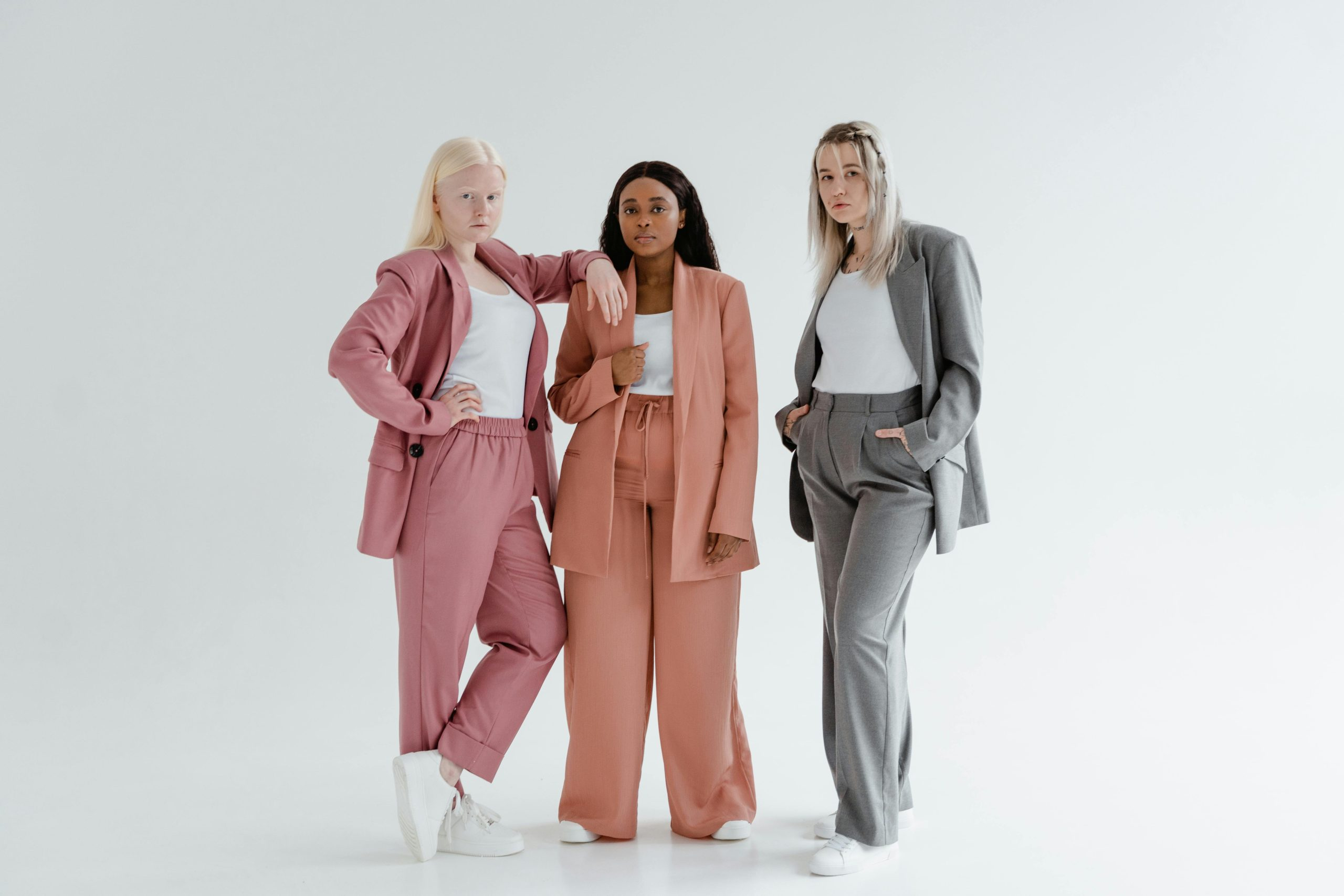
The Beginning of Power Dressing
The origins of power dressing can be traced back to the 1970s, a time when women were starting to enter the workforce in large numbers. This was a significant shift in the corporate landscape, as up until then, the business world was predominantly male-dominated. With more women in the workplace, there was a growing need to dress in a way that would make them feel confident and be taken seriously in a male-centric environment.
The Rise of the Power Suit
In the 1980s, power dressing took a dramatic turn with the introduction of the power suit. This was a time when women were breaking the glass ceiling and reaching high positions in the corporate ladder. The power suit, which typically consisted of shoulder-padded blazers, tailored skirts or pants, and a crisp white shirt, became the go-to outfit for professional women. The suit was a symbol of power, success, and authority, and it helped women blend in with the male-dominated corporate culture.
The Influence of Hollywood
It was not just the business world that was embracing power dressing in the 1980s; Hollywood also played a significant role in promoting this trend. Movies like “Working Girl” and “Baby Boom” showed women in positions of power dressed in sleek and sophisticated suits. This further popularized the idea of power dressing and cemented its place in the corporate world.
The Shift to Casual Power Dressing
The 1990s saw a shift in the concept of power dressing. With the rise of tech companies and a more relaxed work culture, the traditional power suit no longer seemed practical. Companies started adopting a more casual dress code, and the power suit was replaced with khakis and polo shirts. However, even in this casual setting, power dressing still remained essential. Employees were expected to dress in a way that aligned with the company’s brand and image.
The Influence of Silicon Valley
In recent years, the tech industry has significantly influenced power dressing in corporate environments. The rise of tech giants like Google and Facebook has led to a more relaxed and informal dress code in the workplace. This has challenged the traditional notion of power dressing and has paved the way for individual style and self-expression. Tech executives like Steve Jobs and Mark Zuckerberg even made their signature casual outfits a symbol of power and success.
The Modern Take on Power Dressing
Today, power dressing is not just about dressing to fit into a corporate culture; it is also about dressing to stand out. The modern take on power dressing encourages individuality and self-expression while still projecting an image of confidence and competence. Companies are no longer enforcing strict dress codes, but rather, they are giving employees the freedom to dress in a way that makes them feel comfortable and powerful.
The Role of Gender-Neutral Power Dressing
The concept of power dressing has also evolved to be more inclusive. It is no longer just a trend for women in the corporate world; it has also become a powerful tool for men and members of the LGBTQ+ community to express themselves and break free from traditional gender stereotypes. Gender-neutral power dressing promotes the idea of dressing for success, regardless of one’s gender identity.
In Conclusion
From its beginnings in the 1970s to its modern-day take, power dressing has come a long way. It has evolved to be more diverse, inclusive, and personal, making it an essential aspect of today’s corporate culture. Power dressing not only projects an image of power and success, but it also serves as a means of self-expression and individuality in a professional setting. So, the next time you get dressed for work, remember the history of power dressing and let your outfit make a powerful statement.