
How To Create A Minimalist Kitchen That Functions Perfectly
Are you tired of cluttered, chaotic kitchens that make cooking and cleaning a hassle? Do you dream of a streamlined kitchen that exudes simplicity and functionality? If so, you’re in luck because today we’re talking about how to create a minimalist kitchen that functions perfectly. By incorporating a few key design principles and decluttering techniques, you can transform your kitchen into a peaceful haven that not only looks great but also makes your daily life easier. Let’s dive in!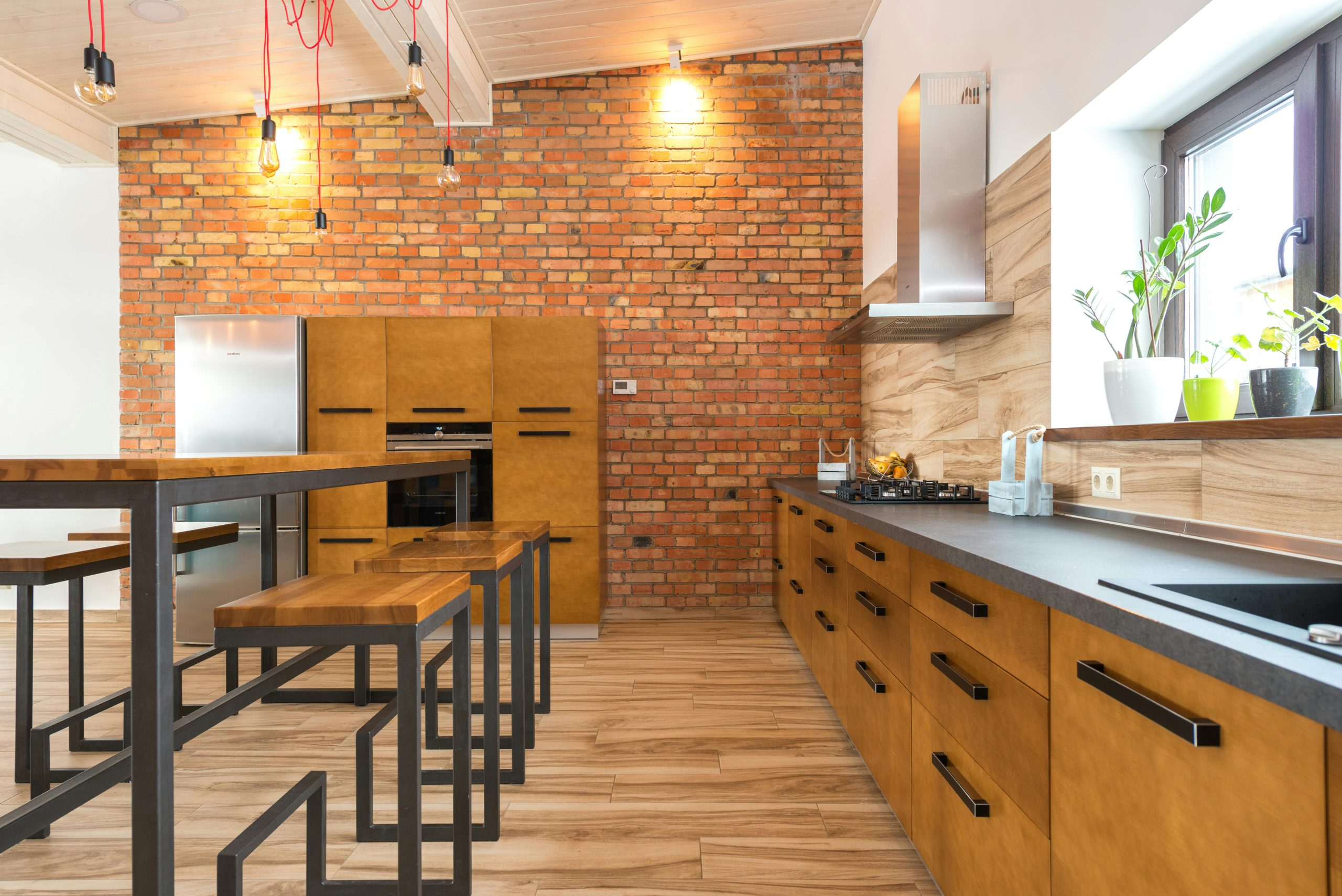
What is Minimalism?
Before we jump into the specifics of how to create a minimalist kitchen, let’s first define what minimalism means. At its core, minimalism is a design philosophy that focuses on simplicity, functionality, and eliminating excess. In the context of a kitchen, this means intentionally choosing and organizing items that are essential and getting rid of anything that is unnecessary or causes clutter.
1. Declutter Your Space
Honing in on the Essentials
The first step to creating a minimalist kitchen is to declutter your space. Start by taking everything out of your cabinets and drawers, and then sort through each item one by one. Ask yourself: Do I use this regularly? Does it serve a specific purpose? Can I live without it? If the answer is no, then it’s time to say goodbye.
Organizing for Functionality
Once you’ve gotten rid of unnecessary items, it’s time to organize what’s left. The key here is to group things together based on their function. This can include grouping all cooking utensils in one drawer, baking supplies in another, and so on. This will not only make it easier to find what you need but also make your kitchen more efficient.
2. Stick to a Neutral Color Palette
Minimalist design is all about simplicity, and one way to achieve this is by using a neutral color palette. Opt for white, black, and shades of gray, as they create a clean, timeless look. You can also add in natural elements, such as wooden accents or plants, to add warmth and texture to the space.
3. Embrace Sleek and Simple Design
When it comes to choosing furniture and appliances, go for clean lines and simple designs. Keep in mind that less is more. A cluttered kitchen with too many decorative items will not fit the minimalist aesthetic. Instead, opt for functional pieces that serve a purpose while also adding to the overall design of the kitchen.
4. Lighting is Key
Lighting is an essential aspect of any kitchen, and when it comes to a minimalist design, it can make all the difference. Natural light is always the best option, so if possible, try to maximize the amount of natural light in your kitchen. Additionally, choose lighting fixtures that are sleek and unobtrusive, such as recessed lighting or simple pendants.
5. Be Mindful of Countertop Accessories
The countertops are often the first place to accumulate clutter in a kitchen. To avoid this, if you do have items on your countertops, be sure they are functional and necessary. For example, having a knife block or utensil holder on the counter makes sense, but having multiple appliances out can create visual chaos. Try to keep your countertops as clear as possible.
Final Thoughts
Creating a minimalist kitchen may take some initial effort, but the end result is worth it. A clutter-free, functional space will not only bring a sense of calm to your daily life, but it will also make cooking and cleaning a breeze. Remember, minimalism is all about living intentionally and surrounding yourself with only what you need. So, declutter, simplify, and enjoy your new minimalist kitchen!