Secrets To Achieving The Perfect Golden Pie Crust
Nothing beats the feeling of sinking your teeth into a perfectly golden and flaky pie crust. That crisp texture, paired with a warm and gooey filling, is often the highlight of any pie. But let’s be real, achieving that perfect golden pie crust is not always an easy feat. Many of us have struggled with soggy crusts or uneven browning, leaving us feeling defeated and disappointed. The good news is, there are secrets to achieving that perfect golden pie crust that will have your friends and family begging for your recipe. So put on your apron, get out your rolling pin, and let’s learn the secrets to creating the ultimate pie crust.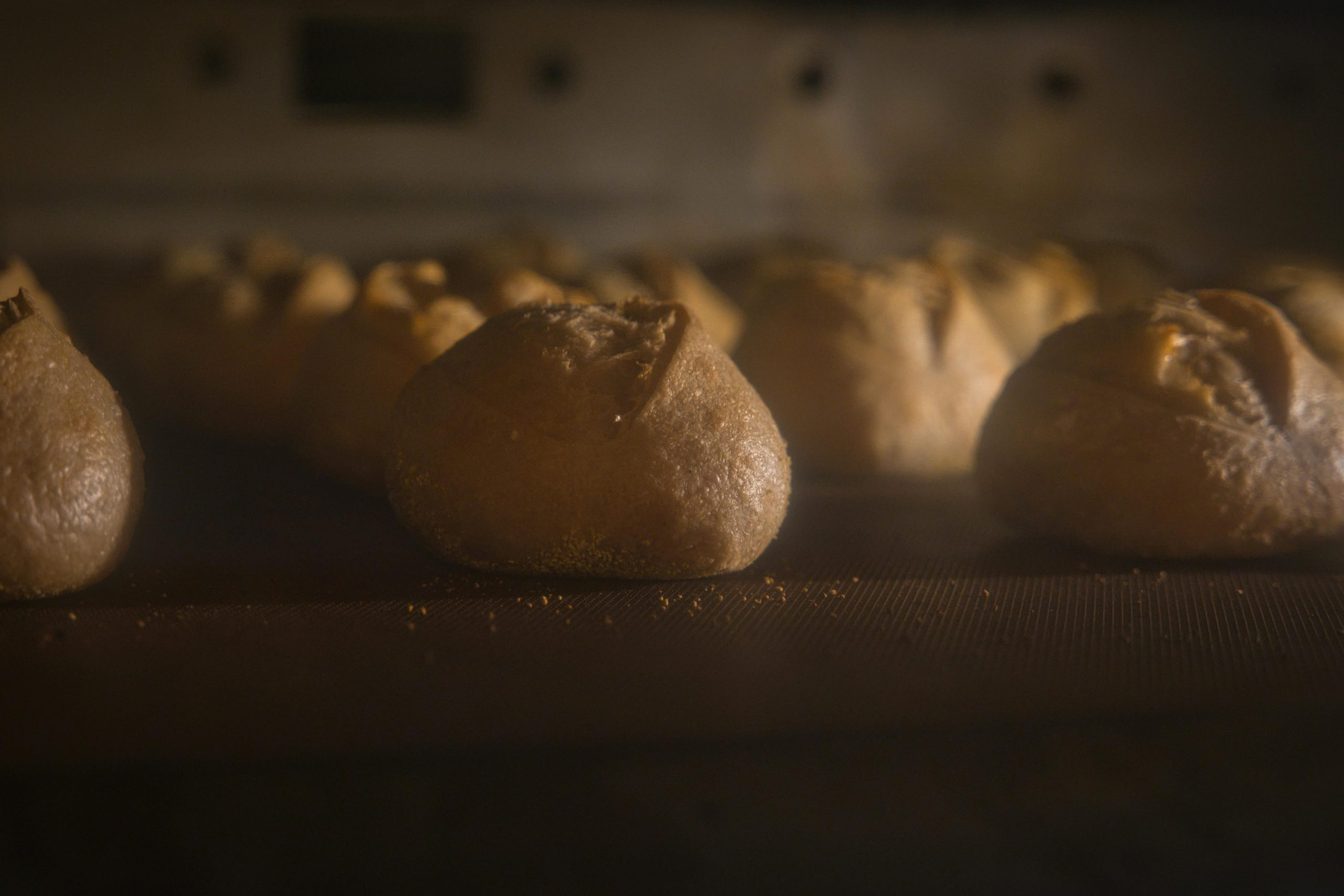
Choosing The Right Ingredients
The first step to achieving the perfect golden pie crust is to start with the right ingredients. This means using the best quality flour, butter, and water you can find. It may be tempting to opt for store-brand or generic products, but splurging on higher quality ingredients will make a noticeable difference in the end result. Look for unbleached all-purpose flour, high-fat European style butter, and filtered or spring water. These simple swaps will elevate your crust from good to truly exceptional.
Measurement Matters
When it comes to baking, precision is key. This is especially true when making pie crust. Using a scale to measure your ingredients is the most accurate method, but if you don’t have one, be sure to use measuring cups and spoons specifically designed for dry ingredients. It’s also important to measure your ingredients while they are at room temperature. Cold butter, for example, will result in a tougher crust. By ensuring your measurements are accurate and your ingredients are at the correct temperature, you’ll be well on your way to achieving the perfect golden pie crust.
Treat Your Dough With Care
If you’ve ever made pie crust before, you know that the key to a flaky texture is keeping the butter cold. This is because when the cold butter hits the hot oven, it creates steam pockets that create that flaky layers we all love. To ensure your butter stays cold, handle your dough as little as possible. Overworking the dough will cause the butter to soften, resulting in a tougher crust. It’s also important to chill your dough before rolling it out, as this will help prevent shrinking and uneven baking.
Don’t Forget The Salt
While most of us think of sugar when it comes to adding flavor to our pies, salt is just as important. Not only does it enhance the overall taste of your crust, but it also helps to regulate the gluten development in your dough. Too much gluten can result in a tough crust, while too little can result in a crumbly one. Opt for a fine grain salt, and use it sparingly to achieve that perfect balance of flavor and texture.
The Magic of Blind Baking
Blind baking, or pre-baking your crust before adding the filling, is a secret that many experienced bakers swear by. This is especially important for pies with wet fillings, like fruit pies. Blind baking involves covering your dough with parchment paper and filling it with pie weights or dried beans to prevent it from puffing up during baking. This allows the crust to cook and crisp up before adding the filling, resulting in a perfectly baked and golden pie crust.
Find Your Perfect Temperature and Time
While most recipes will give you a specific time and temperature for baking your pie crust, it’s important to remember that every oven is different. This means that the baking times and temperatures listed in the recipe may not be the perfect fit for your oven. Start by following the recipe, and then adjust as you see fit. Keep an eye on your crust while it’s baking and trust your instincts. The goal is to achieve a golden, evenly cooked crust, and that may require a bit of tweaking.
The Final Touch
After your pie has finished baking, the final step to achieving that perfect golden pie crust is to let it cool completely before serving. This allows the layers to set and the flavors to fully develop. While it may be tempting to dig in right away, trust us, it’s worth the wait.
In Conclusion
There you have it, the secrets to achieving the perfect golden pie crust. By choosing top-quality ingredients, being precise with your measurements, handling your dough with care, using the right amount of salt, trying the blind baking method, and adjusting baking times and temperatures as needed, you’ll be well on your way to creating the ultimate pie crust. So go ahead and start practicing, and soon enough you’ll be impressing everyone with your beautiful and delicious golden pie crusts.