The Impact Of Heat Distribution On Your Final Dish
When it comes to cooking, heat distribution is often overlooked by home chefs. Many focus on the ingredients and cooking techniques, but fail to realize that the way heat is spread in a cooking vessel can greatly affect the outcome of their dish. The truth is, heat distribution plays a crucial role in how food cooks and ultimately, how it tastes. In this article, we will delve into the impact of heat distribution on your final dish and how you can improve it to take your cooking to the next level.
The Science Behind Heat Distribution
Before we understand the effects of heat distribution on our cooking, it’s important to first grasp the science behind it. Put simply, heat distribution refers to the way heat travels through a cooking vessel and how evenly it is distributed. Different cooking vessels, such as pots, pans, and ovens, have their own unique way of distributing heat based on the type of material they are made of and their design.
Conduction, Convection, and Radiation
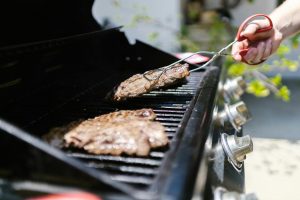
There are three main ways heat is transferred in cooking – conduction, convection, and radiation. Conduction refers to the transfer of heat from one surface to another through direct contact, such as when you place a pan on a hot stove. Convection, on the other hand, is the transfer of heat through air or liquid currents, like when you use a fan to cool down a room. Lastly, radiation is the emission of heat from a source, like a grill or a fire in a wood-fired oven.
Understanding these different methods of heat transfer can help you determine the best cooking vessel to use for specific dishes, as well as how to achieve ideal heat distribution.
The Impact of Heat Distribution on Different Cooking Methods
The cooking method you choose can have a significant impact on your dish, and heat distribution plays a crucial role here. Let’s take a look at how heat distribution affects the outcome of some common cooking methods.
Searing
When searing meats, it’s important to use a pan with even heat distribution. This will ensure that the meat is cooked evenly and develops a nice crust. A pan with poor heat distribution may result in unevenly cooked or burnt spots on your meat.
Baking
For baking, heat distribution is essential in ensuring that your baked goods come out perfectly. A well-distributed heat source, such as an oven with a fan, will help your baked goods rise evenly and prevent them from burning on one side.
Poaching
In poaching, the heat needs to be evenly distributed throughout the cooking liquid to ensure that the food cooks uniformly. A pot with good heat distribution will help achieve this, resulting in perfectly poached food every time.
Improving Heat Distribution in Your Cooking
So how can you improve heat distribution in your cooking? Here are a few tips to consider:
Invest in Quality Cookware
The type of cookware you use can greatly affect heat distribution. Invest in high-quality pots and pans made of materials that have good heat distribution properties, such as copper, stainless steel, or cast iron.
Preheat Your Cookware
Before adding food to your cooking vessel, preheat it for a few minutes. This will ensure that the entire cooking surface is evenly heated and will prevent hot spots.
Use the Right Cooking Method
As discussed earlier, different cooking methods require specific heat distribution to achieve the best results. Be mindful of this when choosing the right cooking method for your dish.
Rotate or Stir Your Food
For dishes that require longer cooking times, regularly rotating or stirring your food can help distribute heat more evenly and prevent it from burning on one side.
In Conclusion
Heat distribution is a crucial aspect of cooking that should not be overlooked. Investing in quality cookware, preheating your cooking vessel, using the right cooking method, and occasionally rotating or stirring your food can greatly improve the outcome of your dishes. Take these tips into consideration and elevate your cooking to new heights!