The Evolution Of The Drum Machine In Modern Pop
From the steady beats of disco to the electronic rhythms of today’s pop music, the drum machine has undoubtedly played a significant role in the evolution of modern music. While its roots can be traced back to the early 19th century, it wasn’t until the late 20th century that the drum machine truly made its mark on popular culture.
The Early Days
The first versions of the drum machine were mechanical devices that used rotating cylinders or discs to produce basic rhythms. These early machines were mainly used in military marches and parades, and it wasn’t until the 1930s that they were adapted for use in music recording.
One of the first electronic drum machines was the Chamberlin Rhythmate, introduced in 1949. It used magnetic tape loops to create pre-programmed rhythm patterns, but its size and complexity made it impractical for live performances.
The Rise of Disco
The 1970s saw the birth of disco music, a genre that heavily relied on electronic beats and dance-friendly rhythms. This era saw the use of traditional drum machines like the Roland TR-808 and the Linn LM-1, which became staples in disco and other electronic genres.
These early drum machines were limited in their capabilities, but they paved the way for the development of more sophisticated devices that would shape the sound of modern pop music.
The Age of Sampled Rhythms
The 80s and 90s saw a shift towards sampled rhythms, where real drum sounds were recorded and stored as digital files. This allowed for more dynamic and realistic drum patterns, and drum machines like the Akai MPC and the Roland TR-909 became popular in the hip-hop and dance music scenes.
The advancement of digital technology also allowed for the integration of drum machines into computer software, making it easier for producers to create and manipulate beats with endless possibilities.
The Evolution Continues
In recent years, the use of drum machines in pop music has become more prevalent, with artists like Beyoncé, Rihanna, and The Weeknd all utilizing electronic beats in their songs. In some cases, drum machines have even replaced live drummers on tour, providing a polished and consistent sound.
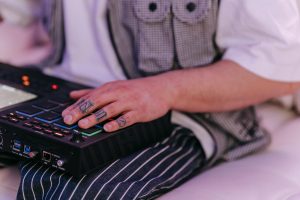
Modern drum machines have come a long way from their mechanical predecessors, with features like touch-sensitive pads and programmable sequencing, making them versatile tools for producers and musicians alike. Some even have the ability to recreate the sound of traditional acoustic drums, blurring the lines between electronic and live music.
The Future of Drum Machines
As technology continues to evolve, so will the capabilities of drum machines. With the rise of virtual instruments and artificial intelligence, we can expect to see even more realistic and customizable drum sounds in the years to come.
However, as much as technology advances, the human element will always play a crucial role in the creation of music. Whether it’s the use of live drum recordings or the human touch in programming beats, the evolution of the drum machine will always be closely intertwined with the evolution of modern pop music.
In Conclusion
The drum machine has come a long way since its humble beginnings as a military march accompaniment. From disco to hip-hop to today’s pop music, it has played a significant role in shaping the sound of modern music. As technology continues to advance, we can only imagine how the drum machine will continue to evolve and inspire the creation of new musical genres.