The Evolution Of Modern Interior Design In New Developments
In today’s fast-paced world, new developments are constantly popping up, whether it be in the form of residential homes, commercial buildings, or public spaces. With the rise of modern architecture and construction techniques, interior design has also evolved to complement and enhance these new developments. Gone are the days of cookie-cutter designs and standardized layouts. Instead, we see a shift towards personalized and highly aesthetic interior spaces that reflect the current trends and needs of the modern world. In this article, we will explore the evolution of modern interior design in new developments and how it has transformed the way we live, work, and experience our surroundings.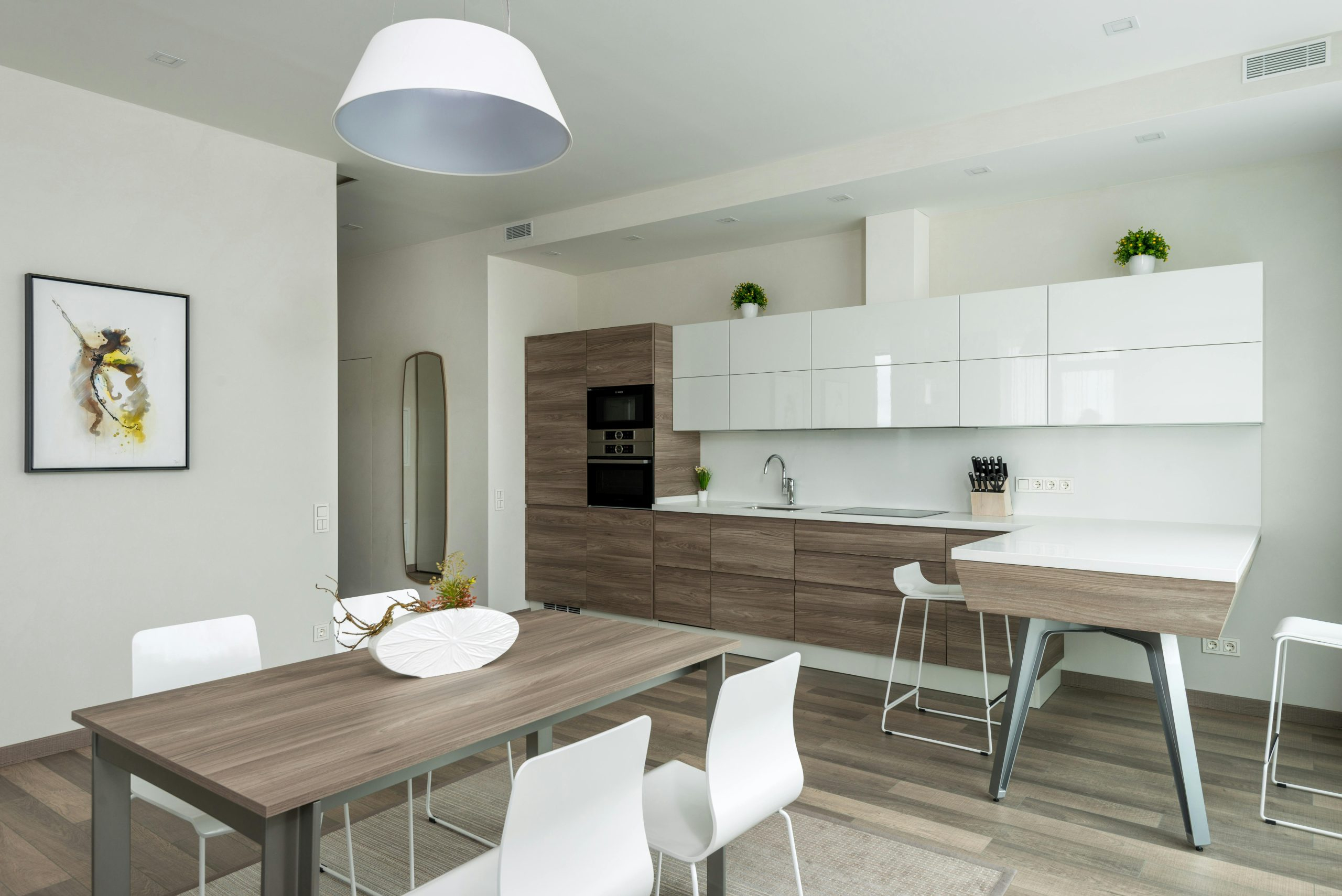
The Rise of Modern Interior Design
Modern interior design emerged in the early 20th century as a response to the industrial revolution and the push towards a more functional and efficient way of living. It is characterized by clean lines, minimalism, and the use of new materials and technology. In the past, interior design was mostly focused on decoration and creating a sense of luxury. Modern interior design, on the other hand, prioritizes functionality and simplicity, while still maintaining a level of elegance and style.
New Materials and Technology
One of the biggest changes in modern interior design is the use of new materials and technology. With advancements in construction and manufacturing, designers now have access to a wider range of materials and finishes, allowing for more experimentation and creativity. For example, the use of sustainable and environmentally friendly materials like bamboo, cork, and recycled plastics has become increasingly popular in new developments.
In terms of technology, smart homes and automation have become a significant trend in modern interior design. With the integration of technology into our daily lives, it only makes sense that it would also be incorporated into our homes and workspaces. From voice-activated systems to automated lighting and temperature control, these features not only add convenience but also contribute to the overall aesthetic of the space.
Open and Multi-functional Spaces
Gone are the days of cramped and closed-off rooms. With modern interior design, there is a focus on creating open, multi-functional spaces that can adapt to different needs and activities. This trend is particularly evident in new developments, where space is often limited, and there is a need to maximize every square inch. The use of open floor plans, versatile furniture, and adaptable layouts allows for a smooth transition between different areas and activities, making the most out of the available space.
The Evolution of Interior Design in New Developments
When it comes to interior design in new developments, we can see a clear evolution from traditional to modern styles. Developers and designers are now more aware of the importance of interior design in the overall success of a project, and therefore pay more attention to creating functional and visually appealing spaces. The focus is no longer solely on the exterior of a building but also on the interior, as it is where people spend most of their time.
Personalization and Customization
With the rise of social media and the increasing desire for uniqueness and self-expression, we see a shift towards personalization and customization in interior design. In new developments, this can be seen in the variety of options and upgrades offered to buyers, from finishes and fixtures to layout and design. Buyers are now more involved in the interior design process and have the opportunity to make their space truly their own, rather than settling for a generic layout.
A Focus on Wellness and Sustainability
Another noticeable evolution in new developments is the focus on wellness and sustainability. As people become more aware of their impact on the environment and their overall well-being, developers and designers are incorporating features and elements that promote a healthier and more sustainable lifestyle. This can range from energy-efficient appliances and green spaces to improved indoor air quality and access to fitness facilities. These factors not only add value to the development but also contribute to a better quality of life for its occupants.
The Future of Modern Interior Design in New Developments
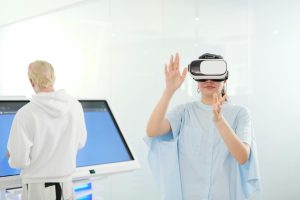
As we continue to advance in technology and our understanding of what makes a space functional and aesthetically pleasing, the future of modern interior design in new developments looks exciting. With the increasing demand for sustainable and personalized spaces, we can expect to see more innovative and creative designs that cater to these needs. Additionally, the use of virtual reality and other advanced technologies in the design process will offer a more immersive and interactive experience for buyers, allowing them to better visualize their future space.
The evolution of modern interior design in new developments reflects the changing needs and desires of society. It has transformed the way we live and interact with our surroundings, creating more functional, personalized, and sustainable spaces. As we move towards a more technologically advanced and environmentally conscious future, we can only imagine what developments in interior design will arise to complement and enhance our living spaces.