
The Evolution Of The Modern Shopping Mall Into Experiences
Shopping malls have been a staple in modern society for many decades. Known for their abundance of stores and goods, they quickly became a popular destination for shoppers looking to fulfill their retail needs. However, as the world evolves and consumer behaviors shift, so too has the purpose and design of the modern shopping mall. No longer simply a place to buy goods, shopping malls have transformed into experiences. In this article, we will explore the evolution of the modern shopping mall and how it has become an essential part of the retail landscape.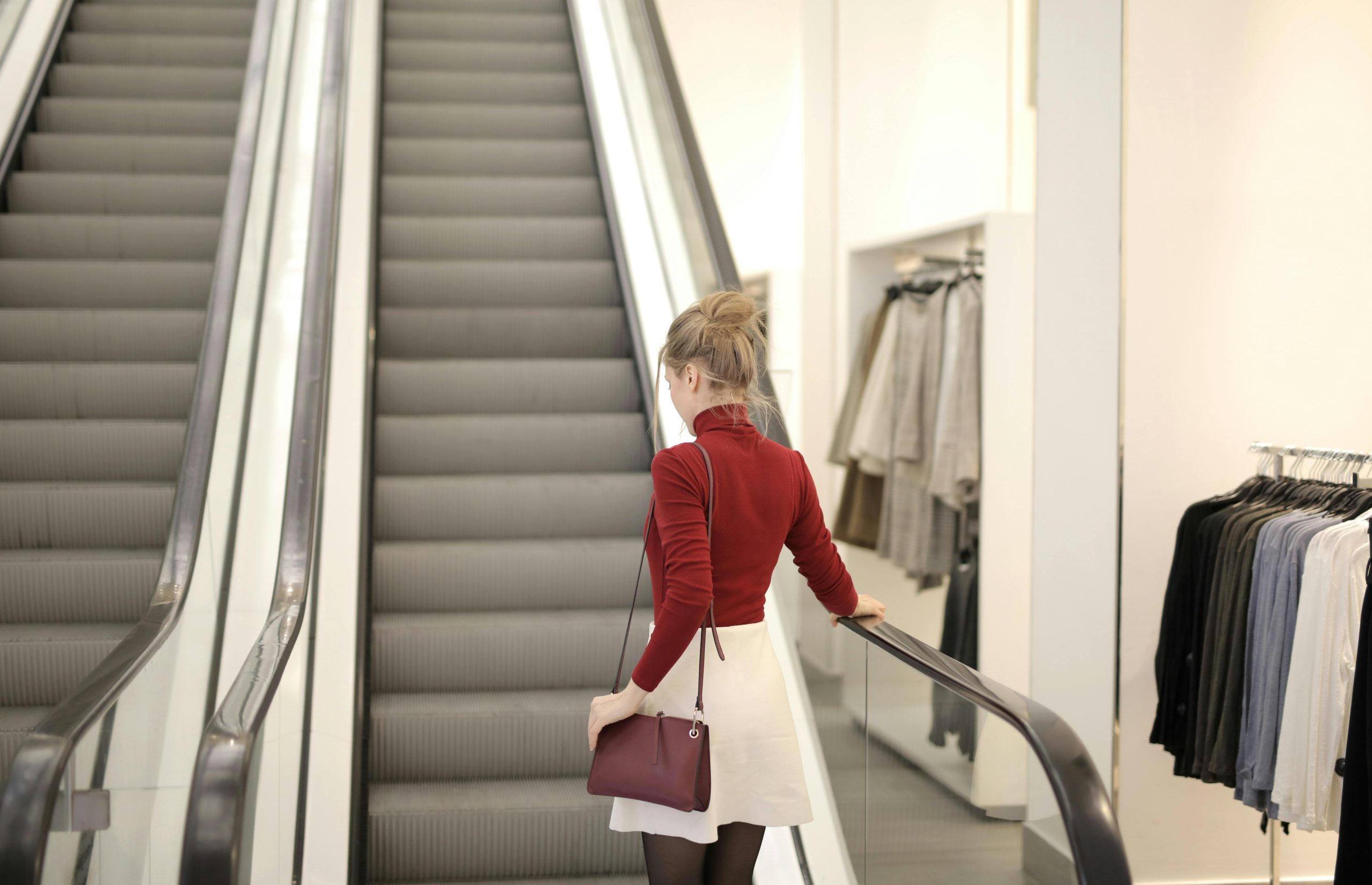
The Birth of the Modern Shopping Mall
The concept of a shopping mall first emerged in the 1950s, with the opening of the Northland Center in Michigan. This “outdoor mall” featured a collection of stores that were connected by a roof, creating a covered shopping experience. This design quickly caught on, and throughout the 1960s and 1970s, shopping malls began popping up all over the United States. The Mall of America, which opened in 1992, solidified the popularity of shopping malls and became the largest mall in the country.
Shift in Consumer Behaviors
As society became more digitally connected, consumer behaviors began to change. With the rise of online shopping, brick and mortar stores had to adapt to compete with the convenience and ease of e-commerce. Traditional shopping malls faced a decline in foot traffic and sales, leading many to close their doors. It was clear that a new approach was needed to keep shopping malls relevant in the modern age.
The Rise of Experience-Based Shopping Malls
In response to the changing retail landscape, shopping malls shifted their focus from solely retail to creating a more immersive experience for consumers. This gave rise to the concept of “experience-based” shopping malls, which aimed to provide shoppers with entertainment, dining, and social experiences in addition to traditional retail stores.
Entertainment
Experience-based shopping malls often include entertainment options such as movie theaters, bowling alleys, and arcades. These attractions provide shoppers with an added value to their visit, making it more than just a place to buy goods. It also creates a reason for people to stay longer, increasing the chances of them making additional purchases.
Dining
Many modern shopping malls now feature a variety of dining options, from full-service restaurants to food courts. These culinary experiences entice shoppers to stay longer, and also offer a break from shopping. This added amenity has become a key element in the success of experience-based shopping malls.
Social Experiences
Social media has become a significant part of daily life, and shopping malls have capitalized on this by creating spaces that promote social interaction. Interactive exhibits, photo opportunities, and designated areas for events and gatherings are some examples of how malls are incorporating social experiences into their spaces. These additions encourage shoppers to share their experiences on social media, creating buzz and drawing in more potential customers.
The Future of Shopping Malls
As the retail industry continues to evolve, the future of shopping malls is uncertain. However, one thing is clear – experience-based malls are here to stay. They offer a unique and immersive experience that cannot be replicated online, making them a crucial part of the modern retail landscape. As technology advances, we can expect to see even more innovations and changes in the design and purpose of shopping malls.
In Conclusion
The evolution of the modern shopping mall into experiences has been a necessary and successful adaptation to changing consumer behaviors. No longer just a place to buy goods, shopping malls now offer a wide range of entertainment, dining, and social experiences that cater to the needs and desires of today’s consumer. As we look ahead to the future, it will be exciting to see how shopping malls continue to evolve and shape the retail industry.